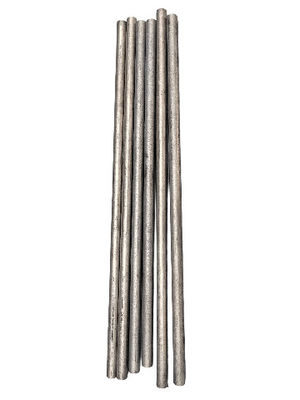
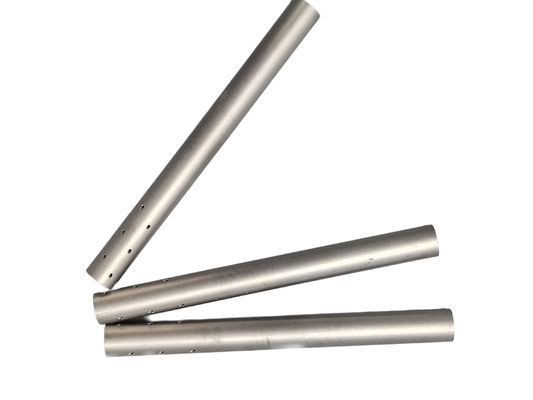
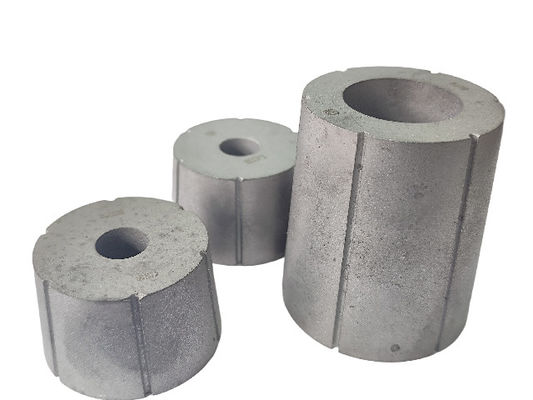
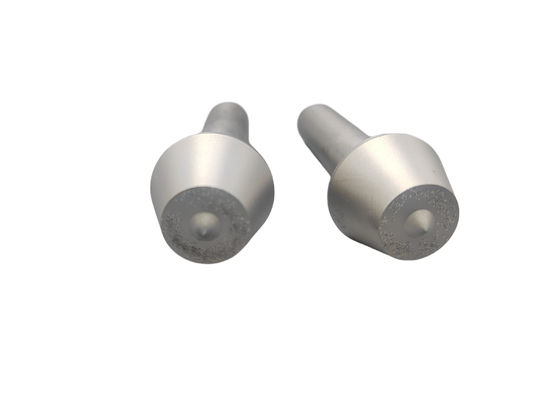
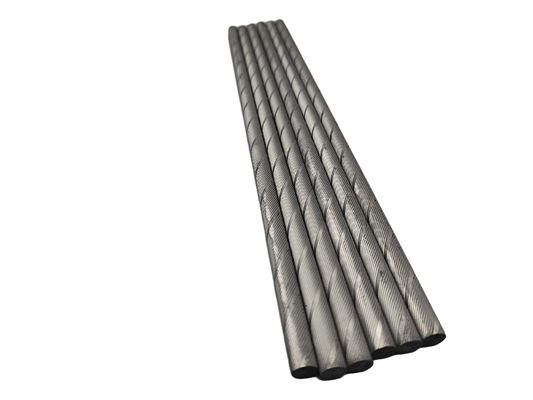
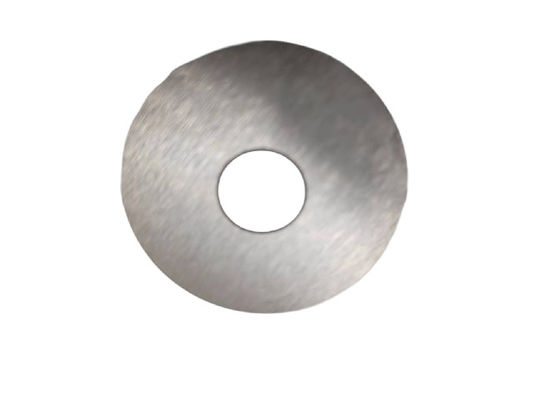
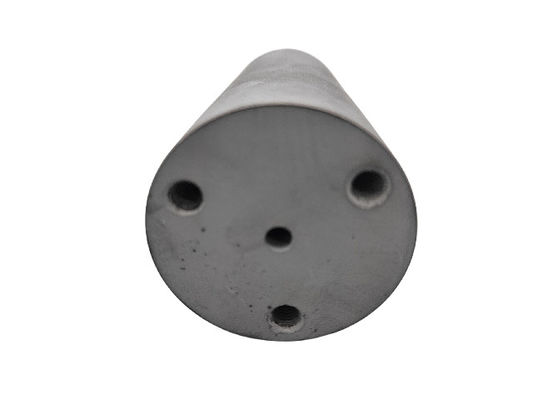
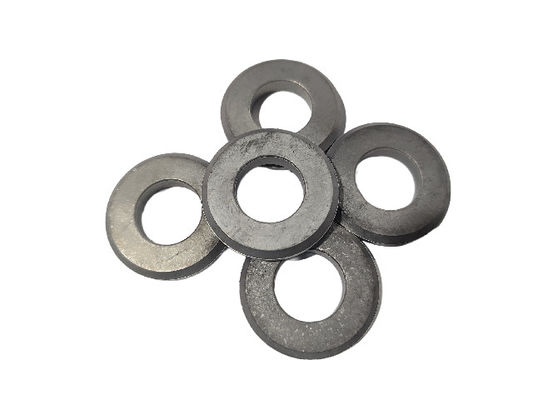
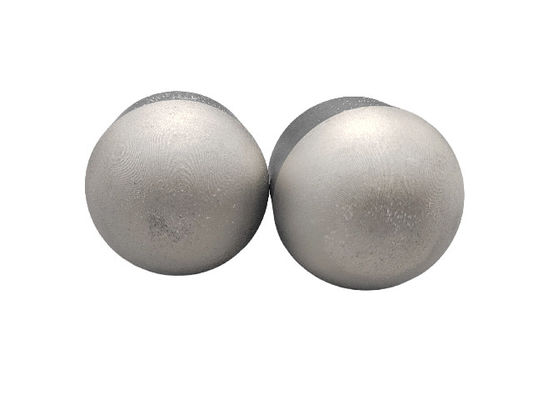
कल्पना कीजिए कि लाखों की कीमत का एक सटीक मशीन टूल, जिसकी दक्षता से समझौता किया गया है—या इससे भी बदतर, वर्कपीस क्षतिग्रस्त हो गए हैं—अनुचित सामग्री चयन के कारण। यह परिदृश्य काल्पनिक नहीं है, बल्कि विनिर्माण में एक बार-बार आने वाली दुविधा है। टंगस्टन कार्बाइड और हाई-स्पीड स्टील (HSS), दो सबसे आम टूल सामग्री, प्रत्येक अद्वितीय लाभ और सीमाएँ प्रस्तुत करते हैं। कोई इष्टतम विकल्प कैसे बनाता है? यह विश्लेषण निर्णय लेने का मार्गदर्शन करने के लिए डेटा-समर्थित तुलना प्रदान करता है।
1. सामग्री संरचना और मुख्य गुण: अंतर को समझना
टंगस्टन कार्बाइड: समग्र पावरहाउस
टंगस्टन कार्बाइड एक शुद्ध धातु नहीं है, बल्कि एक समग्र है जहाँ टंगस्टन कार्बाइड (WC) कण असाधारण कठोरता और पहनने के प्रतिरोध प्रदान करते हैं, जबकि कोबाल्ट (Co) बाइंडर मजबूती प्रदान करता है। प्रदर्शन को बढ़ाने के लिए टाइटेनियम कार्बाइड (TiC) या टैंटलम कार्बाइड (TaC) जैसे अतिरिक्त कार्बाइड जोड़े जा सकते हैं।
-
कठोरता:
HRC 69–81 के बीच, 900–1000°C पर भी HRC 60 बनाए रखता है।
-
पहनने का प्रतिरोध:
बेहतर दीर्घायु उपकरण प्रतिस्थापन आवृत्ति को कम करती है।
-
संक्षारण प्रतिरोध:
कठोर वातावरण में विश्वसनीय रूप से प्रदर्शन करता है।
-
शक्ति:
WC अनाज के आकार और बाइंडर अनुपात अनुकूलन के माध्यम से समायोज्य।
हाई-स्पीड स्टील: पारंपरिक उन्नयन
HSS टंगस्टन, मोलिब्डेनम, क्रोमियम और वैनेडियम के साथ मिश्रित कार्बन स्टील है, जो कठोरता, पहनने के प्रतिरोध और गर्मी सहनशीलता को बढ़ाता है।
-
कठोरता:
कमरे के तापमान पर HRC 62–65, 600°C पर HRC 48.5 तक गिर जाता है।
-
मजबूती:
प्रभाव या कंपन के तहत चिपिंग का प्रतिरोध करता है।
-
गर्मी प्रतिरोध:
पारंपरिक टूल स्टील से बेहतर प्रदर्शन करता है लेकिन कार्बाइड से पीछे रहता है।
2. प्रदर्शन तुलना: अनुप्रयोग के लिए सामग्री का मिलान
कठोरता और पहनने का प्रतिरोध
टंगस्टन कार्बाइड यहाँ हावी है, जो इसे कठोर, अपघर्षक सामग्री (जैसे, कठोर स्टील, कच्चा लोहा) और उच्च गति काटने के लिए आदर्श बनाता है। डेटा से पता चलता है कि कठोर स्टील की मशीनिंग करते समय कार्बाइड उपकरण HSS की तुलना में 5–10× अधिक समय तक चलते हैं।
मजबूती
HSS नमनीय सामग्री (जैसे, स्टेनलेस स्टील, कम-कार्बन स्टील) और रुक-रुक कर कटाई की मशीनिंग में उत्कृष्ट है। इसकी कम लागत जटिल उपकरण ज्यामिति का भी पक्ष लेती है।
थर्मल स्थिरता
कार्बाइड उच्च तापमान पर कठोरता बनाए रखता है, जो 2–3× टूल लाइफ में शुष्क या उच्च गति काटने में HSS से बेहतर प्रदर्शन करता है।
मामले के अध्ययन
-
इंजन ब्लॉक:
कच्चा लोहा/एल्यूमीनियम के लिए कार्बाइड उपकरण।
-
विमान लैंडिंग गियर:
कंपन-प्रवण मिश्र धातु इस्पात के लिए HSS।
-
मोल्ड:
कठोर स्टील परिशुद्धता के लिए कार्बाइड।
3. लागत और विनिर्माण: आर्थिक ट्रेड-ऑफ
लागत विश्लेषण
जबकि कार्बाइड उपकरण अग्रिम में अधिक खर्च करते हैं (जटिल पाउडर धातु विज्ञान प्रक्रियाओं के कारण), उनका विस्तारित जीवनकाल अक्सर कुल व्यय को कम करता है। उदाहरण के लिए:
|
परिदृश्य
|
HSS (10 उपकरण)
|
कार्बाइड (2 उपकरण)
|
|
यूनिट लागत
|
$100
|
$400
|
|
कुल लागत
|
$1,000
|
$800
|
विनिर्माण लचीलापन
HSS पारंपरिक धातु विज्ञान के माध्यम से जटिल उपकरण आकृतियों के आसान उत्पादन की अनुमति देता है, जबकि कार्बाइड की सिंटरिंग प्रक्रिया डिजाइन जटिलता को सीमित करती है।
4. निर्णय ढांचा: चर को संतुलित करना
इष्टतम चयन के लिए मूल्यांकन की आवश्यकता है:
-
वर्कपीस सामग्री गुण
-
काटने के पैरामीटर (गति, फ़ीड, गहराई)
-
उपकरण दीर्घायु आवश्यकताएँ
-
बजट की बाधाएँ
-
मशीन टूल क्षमताएं
एक भारित स्कोरिंग मैट्रिक्स इन कारकों को मात्रा निर्धारित कर सकता है:
|
कारक
|
टंगस्टन कार्बाइड
|
HSS
|
|
वर्कपीस कठोरता
|
उच्च
|
मध्यम
|
|
वर्कपीस मजबूती
|
मध्यम
|
उच्च
|
|
काटने की गति
|
उच्च
|
मध्यम
|
|
उपकरण जीवन
|
लंबा
|
छोटा
|
|
लागत
|
उच्च (प्रारंभिक), कम (दीर्घकालिक)
|
कम (प्रारंभिक), उच्च (दीर्घकालिक)
|
निष्कर्ष
टंगस्टन कार्बाइड की कठोरता और थर्मल स्थिरता इसे मांग वाले अनुप्रयोगों के लिए अपरिहार्य बनाती है, जबकि HSS की मजबूती और लागत-प्रभावशीलता कम चरम स्थितियों के अनुकूल है। एक डेटा-संचालित दृष्टिकोण—परिचालन आवश्यकताओं के विरुद्ध सामग्री गुणों का वजन करना—उपकरण चयन में दक्षता और आर्थिक व्यवहार्यता दोनों सुनिश्चित करता है।


 आपका संदेश 20-3,000 अक्षरों के बीच होना चाहिए!